

At a Glance
At a Glance
A guide to Thai neck and shoulder massage: the techniques, session stages, pressure, preparation and questions to consider before booking.
GRANDTHAI Guide
What Is Thai Neck and Shoulder Massage?
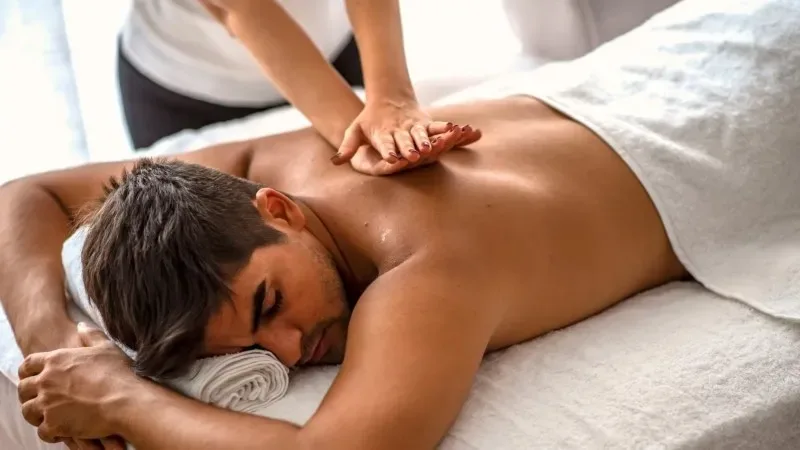
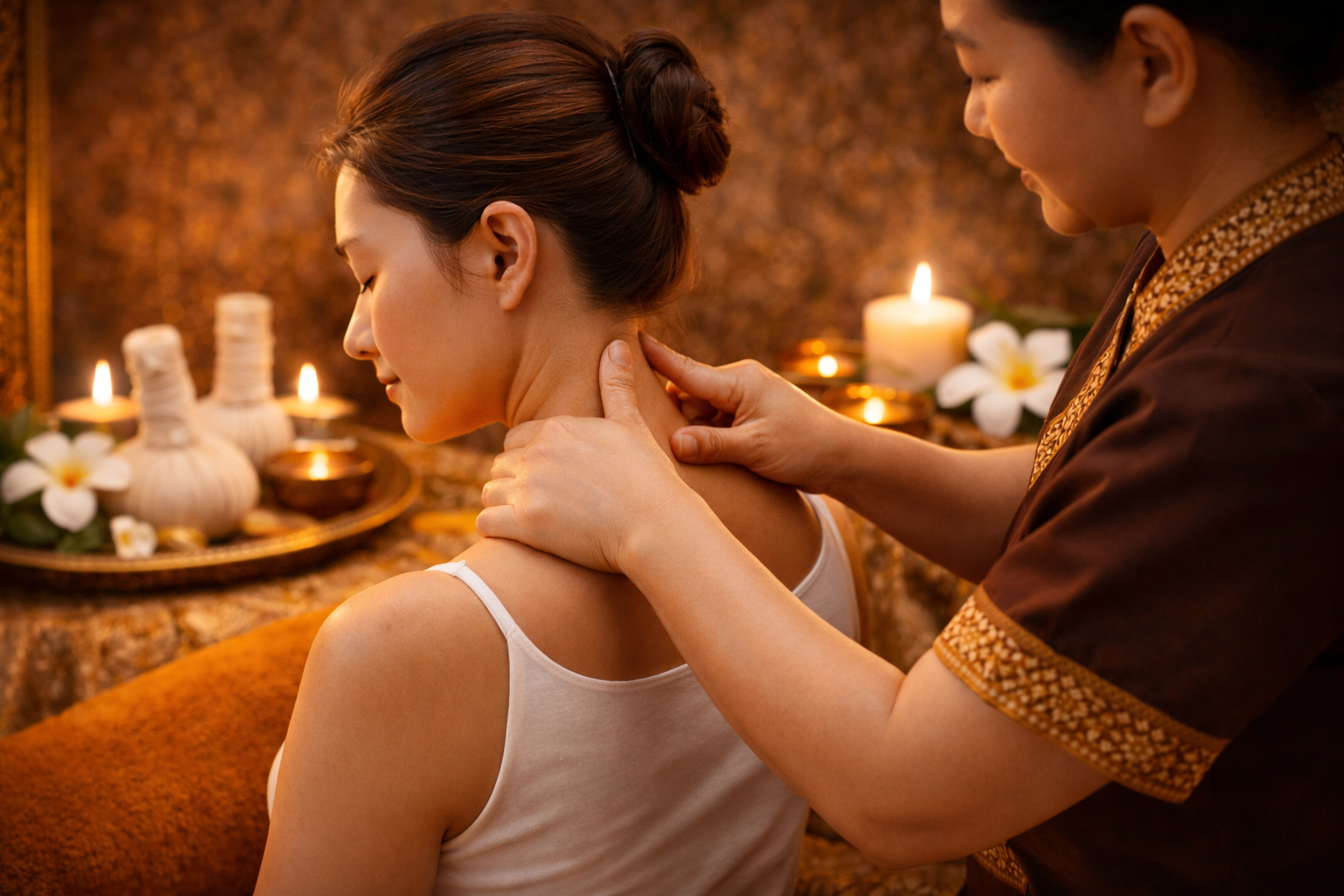
Thai neck and shoulder massage focuses on the neck, shoulders and upper back. These areas can feel particularly tense after desk work, travel or a demanding day. The experience combines a measured rhythm with close attention to comfort rather than simply using the strongest possible pressure.
Traditional techniques include rhythmic pressing, kneading, gentle stretching and focused work along lines known in Thai tradition as sen. A therapist may work more lightly or more deeply according to the technique and the guest’s preferences. The purpose of a spa session is relaxation and everyday comfort, not manipulation of the spine or treatment of a medical condition.
GRANDTHAI Guide
Why the Neck and Shoulders Deserve Attention
The muscles around the neck and shoulders support the head and are involved in everyday movement. Hours spent looking at a screen, staying in one position or carrying the day’s tension can leave this area feeling tight or tired.
An uncomfortable sleeping position, a busy training schedule or an unusually demanding day may also affect how the upper body feels. A focused massage offers time to pause and notice that tension. However, neck pain, recurrent headaches and a restricted range of movement have different possible causes: they should not automatically be attributed to tight muscles.
GRANDTHAI Guide
How the Massage Feels
The therapist uses controlled movements rather than abrupt pressure. Depending on the technique and area, the work may involve the hands, fingers or forearms. More focused pressure alternates with slower, softer movements, allowing the guest to settle into the session.
The experience should remain within your comfort level. Tell the therapist when the pressure feels too strong, a position is uncomfortable or you would prefer a particular area to be avoided. There is no need to tolerate pain to make the massage “work”.
Thai massage also has a traditional mind-and-body dimension. Its pace and attention to the whole experience are part of what guests value; the traditional explanation of energy lines is not a medical diagnosis.
GRANDTHAI Guide
The Conversation Before Your Session
Before starting, the therapist asks about your preferences and any relevant restrictions. This is an opportunity to explain where you feel everyday tension, what pressure you usually enjoy and whether you have had massage before.
Mention previous injuries, recent procedures, known conditions and any movements that are uncomfortable. The therapist can explain the planned session and consider whether the booked format is appropriate. This conversation does not replace a doctor’s assessment or establish the cause of pain.
Agreeing on pressure at the outset is helpful, but preferences can change during the massage. You can ask for an adjustment at any point.
GRANDTHAI Guide
The Stages of a Session
Session lengths vary between salons and treatment formats. For the duration currently available at GRANDTHAI, use the dedicated treatment page rather than assuming that every length mentioned in a general massage guide can be booked.
1. Getting Comfortable
You settle into the position appropriate to the treatment. The therapist begins with gentle contact and warming strokes around the chosen area, giving you time to relax and become familiar with the pressure.
2. Focused Work
Pressing and kneading are used around the muscles of the shoulders, neck and upper back. The therapist adjusts the pace and pressure to the area being worked on and your feedback.
3. Gentle Stretching
Where appropriate to the technique and your circumstances, gentle stretching may be included. Movements should feel controlled and comfortable, without forceful twisting or an expectation that the neck must move further than it comfortably can.
4. A Calm Finish
The session ends with slower, lighter movements. Give yourself a moment before getting up, particularly after lying still and relaxing deeply.
GRANDTHAI Guide
What Guests Value About This Massage
Warmth and Comfort
Rhythmic contact and attention to tired areas can feel warming and comforting after a long day. The experience is personal, rather than a guaranteed physiological result.
Time for Tense Muscles to Relax
A focused session gives the upper body sustained attention instead of a quick rub between other activities. Many guests choose it simply because their shoulders feel overworked.
Attention to Tension Around the Head and Neck
A calm upper-body session may be pleasant when the area feels tense. Persistent or unusual headaches should be assessed separately; massage is not a promise of headache prevention or treatment.
Greater Awareness of Posture
Taking time to notice how the shoulders and neck feel can encourage more comfortable everyday habits. Massage does not automatically correct posture or realign the spine.
A Pause From Stress
Quiet surroundings and a steady rhythm create a break from work, messages and daily demands. The visit is an opportunity to rest without needing to achieve anything.
Comfortable Movement
Some guests enjoy a feeling of greater ease after the session. Results differ, and the aim is comfortable movement, not forcing flexibility or working through pain.
GRANDTHAI Guide
When People Choose a Neck and Shoulder Session
This format often appeals to people who spend much of the day at a desk, feel tired across the upper back or want a focused alternative to a full-body massage. It can also be a way to unwind after a busy period or an active day.
The choice should be based on what feels appropriate for you, not on a list of symptoms that supposedly requires massage. Ongoing neck pain, recent injury, unexplained headaches or marked stiffness call for medical advice before booking.
GRANDTHAI Guide
When to Postpone or Seek Advice
Tell reception before booking about a recent neck or spinal injury, known spinal problems, vascular conditions or other relevant restrictions. Do not use a spa appointment to address an acute injury, fever, an infection or a flare-up of a condition.
A doctor can advise whether massage is suitable in your circumstances and identify any restrictions. Share that guidance with the therapist. This article cannot provide a complete list of contraindications or assess individual safety.
GRANDTHAI Guide
Frequently Asked Questions
How Many Sessions Should I Book?
Start with the experience and frequency that suit your preferences and circumstances. There is no universal number of visits that guarantees a result, and a spa article cannot prescribe a course for a health problem.
Should the Massage Hurt?
No. Pressure can feel noticeable, but it should remain comfortable. Ask the therapist to reduce it or stop if something hurts; stronger is not automatically better.
Can I Book if I Have Neck Pain?
Seek medical advice first, particularly when pain is new, persistent, severe or associated with an injury. A relaxation massage should not delay assessment of the problem.
Do I Need to Prepare?
Choose comfortable clothing for your visit, allow time to arrive without rushing and avoid a heavy meal immediately beforehand. Ask reception about the preparation and clothing arrangements for the exact treatment you book.
GRANDTHAI Guide
What Makes the Thai Approach Distinctive?
Thai massage combines rhythm, focused pressure and, where appropriate, gentle stretching. The therapist considers the overall flow of the session as well as individual areas that feel tense.
Its traditional language of balance and energy is part of its cultural background. For a modern spa guest, the practical appeal is often simpler: thoughtful contact, unhurried attention and an opportunity to relax.
GRANDTHAI Guide
Making Space for Regular Rest
Massage can sit alongside movement, exercise and time away from a screen as part of a personal routine of rest. Choose a frequency that is comfortable and sustainable rather than treating appointments as a substitute for everyday habits or medical care.
For a focused visit in Moscow, explore the current Thai neck and shoulder massage at GRANDTHAI. The treatment page explains the available duration, price and booking options, so you can choose with clear expectations.
Important Information
Important Information Before Your Visit
Before booking, tell our reception team and your therapist about relevant health considerations, restrictions and recent procedures.
This article is for information only and does not replace diagnosis, treatment or advice from a doctor.