

At a Glance
At a Glance
Explore warm oil Thai massage: the session stages, commonly used oils, pressure, preparation and how it differs from traditional clothed Thai massage.
GRANDTHAI Guide
Thai Tradition and the Modern Oil-Massage Experience
Traditional Thai massage combines pressure, assisted stretching and a measured rhythm. Its cultural background is associated with Thai healing traditions, Buddhist philosophy and wider influences from Asia.
Warm oil massage draws on elements of Thai bodywork but offers a different feel from a traditional clothed session. Oil allows the therapist’s hands to glide across the skin, and gentle warmth becomes part of the experience. The result is a flowing style often chosen by guests who prefer a softer, more enveloping treatment.
The two formats should not be treated as identical. Comparing their practical differences is more helpful than assuming one is always deeper or more effective than the other.
GRANDTHAI Guide
What Is Warm Oil Thai Massage?
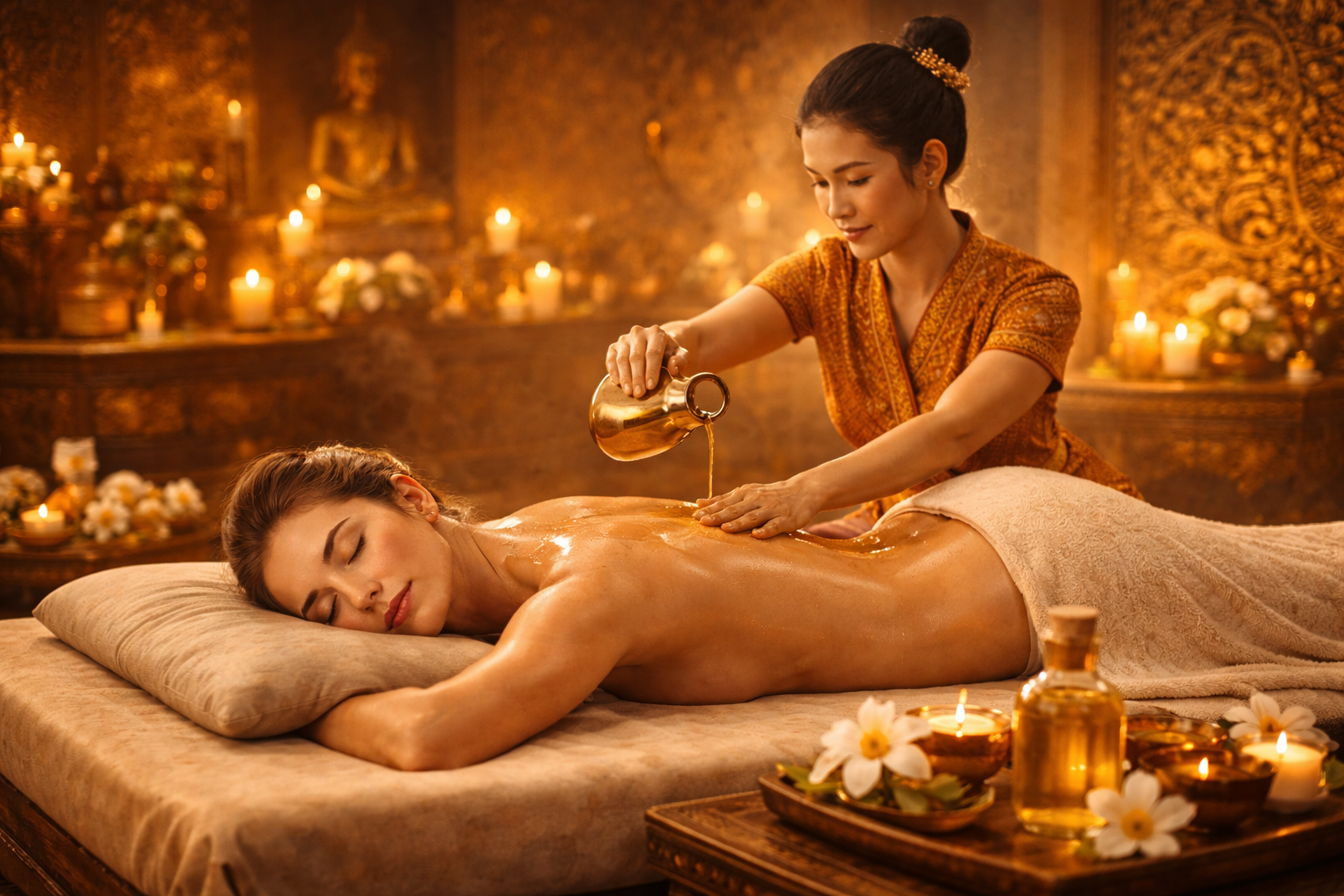
Warm oil Thai massage combines flowing strokes, rhythmic pressure and work around the muscles using oil warmed to a comfortable temperature. Although sometimes called “hot oil massage”, the oil should feel pleasantly warm, never uncomfortably hot.
The technique brings together the glide of an oil massage, the rhythm of Thai bodywork and the sensory comfort of warmth. Pressure may range from light to more focused depending on the treatment and your preferences. A relaxing style does not have to mean the therapist uses the same pressure everywhere.
People often choose it for a quiet break, the feeling of being cared for and an opportunity to release everyday tension. It is a spa experience, not a guaranteed treatment for poor sleep or a medical condition.
GRANDTHAI Guide
How the Massage Is Performed
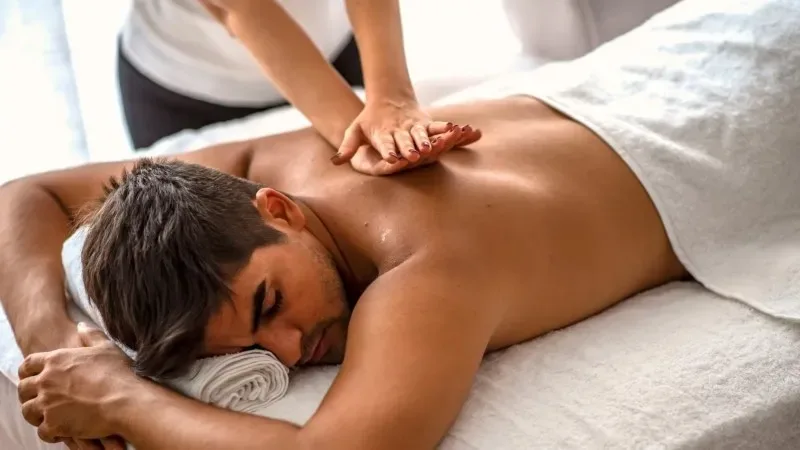
The session takes place in a calm setting, with the guest resting on a massage table. The therapist checks comfort and uses the oil gradually, combining longer gliding movements with more focused attention to selected areas.
Stages of the Treatment
1. A conversation and time to settle in. The therapist asks about your preferences, relevant restrictions and the pressure you enjoy. You get comfortable on the prepared table, with appropriate towels or linen.
2. Introducing the warm oil. Oil is warmed and applied in small amounts. Tell the therapist immediately if the temperature is too high or if the product feels uncomfortable on your skin.
3. Gentle gliding strokes. The massage starts with softer movements, allowing you to become accustomed to the warmth, contact and pace. Oil provides glide rather than a reason to use more force.
4. More focused muscle work. Depending on the technique, the therapist may use pressing and kneading with the palms, fingers or forearms. Pressure is adjusted to the area and your feedback; you do not need to tolerate pain.
5. An unhurried finish. The session ends with slower, softer movements. Take a moment to sit up and return to the pace of the day without rushing.
GRANDTHAI Guide
Which Oils May Be Used?
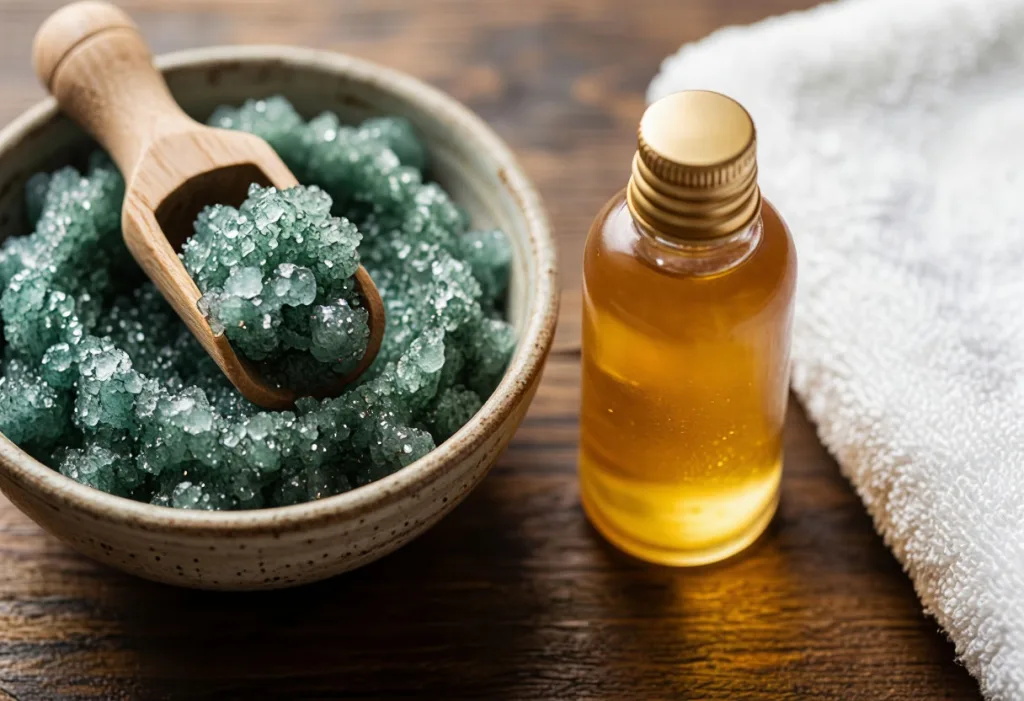
Massage oils are chosen for their texture, glide and suitability for the treatment. Common examples in oil massage include coconut, olive, jojoba and sweet almond oils. Some products also contain aromatic ingredients, such as lavender, rosemary or ginger.
These are examples of oils used in massage generally, not a guaranteed ingredient list for every GRANDTHAI session. Ask about the exact product before booking if you have allergies, sensitive skin or a preference about fragrance. “Natural” does not automatically mean suitable for everyone.
The oil’s main practical role is to allow smooth movement over the skin and contribute to a comfortable sensory experience. Warmth does not mean that oil penetrates deeply into muscles or carries out an internal cleansing process.
GRANDTHAI Guide
What Makes the Experience Appealing?
Gentle Warmth
Warm oil can feel comforting, particularly when you want an enveloping, unhurried treatment. Temperature should remain comfortable throughout the appointment.
Attention to Tired Muscles
Flowing strokes and focused work give time to areas that feel overworked after everyday activity. Explain which areas you would like the therapist to concentrate on or avoid.
A Feeling of Lightness
Some guests describe feeling lighter after a session. This is a personal impression, not evidence of “detoxification” or a promise to treat swelling. Unexplained swelling or circulation concerns need separate medical assessment.
Space to Relax
The combination of a steady rhythm, a quiet room and warmth can make it easier to switch off from daily demands. Enjoying this break does not depend on achieving a specific result.
Comfortable Movement
A massage may leave you feeling more at ease in your body. Stretching, where appropriate, should be gentle and adapted to your comfortable range rather than used to force flexibility.
Soft-Feeling Skin
Oil also becomes part of the skin-care experience, leaving a smooth, conditioned feel. The effect depends on the product and your skin; tell the therapist about sensitivity before the session starts.
GRANDTHAI Guide
When Guests Choose Warm Oil Massage
This format often appeals after a busy period, a demanding working day or physical activity when the main aim is to rest. It may also suit a guest who likes oil massage and wants the additional comfort of warmth.
Choose it for the experience rather than as a self-prescribed solution to chronic pain, poor circulation or injury. A recovery period after an injury or procedure requires advice about whether massage, heat and pressure are appropriate.
GRANDTHAI Guide
When to Postpone or Ask for Advice
Let reception know about active skin problems, recent injuries, fever, known cardiovascular or clotting-related conditions and other relevant restrictions before booking. Do not attend a treatment while acutely unwell.
Pregnancy, ongoing conditions and recent procedures require individual consideration. A doctor’s advice and the therapist’s ability to provide the appropriate format both matter; availability of a general oil massage does not imply that a prenatal or medical service is offered.
Mention product allergies and heat sensitivity as well as preferences about pressure. This guide cannot replace an individual suitability assessment.
GRANDTHAI Guide
Choosing a Therapist
Look for relevant training, experience with the technique and a professional approach to communication. A therapist should be willing to explain the session, ask about restrictions and respond when you request a change of pressure or temperature.
Reviews can help you understand a salon’s service, but clear treatment information and the way your questions are handled are also useful. Comfort is not an optional extra: it is part of a well-managed appointment.
GRANDTHAI Guide
Frequently Asked Questions
How Long Is the Session?
Oil-massage sessions vary in length. Use the duration listed on the current GRANDTHAI warm oil treatment page for the option you can actually book; a general description of 60–90 minutes does not create additional available appointments.
Is It Painful?
The focus is comfort and relaxation. Some movements may be firmer than others, but pressure should be adjusted to you. Tell the therapist immediately about pain, excessive heat or an uncomfortable position.
What Should I Expect Afterwards?
You may feel relaxed, warm or refreshed, but responses differ. There is no fixed number of sessions that guarantees a lasting result. Choose future appointments according to your preferences and circumstances rather than an assumed treatment course.
Warm oil Thai massage is a way to combine flowing bodywork with the comforting sensation of warmth. Understanding the technique and checking the actual treatment details helps you choose an appointment with clear, realistic expectations.
Important Information
Important Information Before Your Visit
Before booking, tell our reception team and your therapist about relevant health considerations, restrictions and recent procedures.
This article is for information only and does not replace diagnosis, treatment or advice from a doctor.